
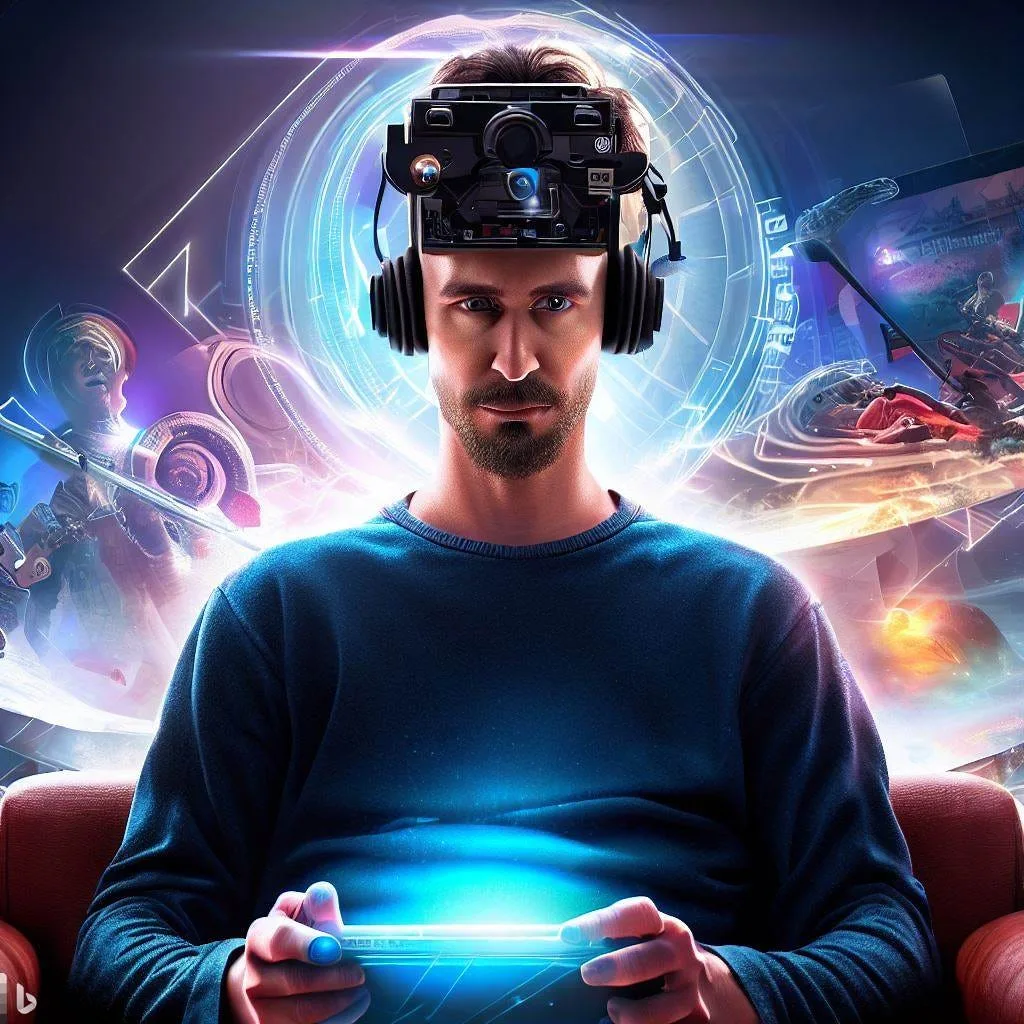
The worlds of movies and games are colliding. With 3D assets now standard in filmmaking and game engines like Unreal Engine 5 as good as they are, you can take film assets and drop them into a game with almost no rework.
That opens the door to a kind of storytelling that merges the best of both mediums. As game technology keeps evolving, it's not hard to imagine movies and games becoming indistinguishable from each other. I think this merging of films, series and games will be the next evolution of the entertainment industry, and I'm looking forward to it.
Tell me a story
Movies, books and video games are different channels for the same thing: sharing a story with others and connecting with them through it. A good story leaves a mark on its audience and shapes how we collectively see the world.
Imagine you've just watched a movie you loved. Then you turn on your device of choice and explore that world on your own. You discover secrets and side notes you missed, or you create your own story inside the fictional one. That would pull you deeper into a story than anything possible today.
What could this look like in practice? Fully immersive experiences blending movies and games, using VR or AR to let viewers interact with and influence the story in real time. AI-generated narratives that adapt to each viewer's choices. Movies that incorporate gameplay mechanics, or games with cinematic sequences you can't tell apart from a film.
The combination of both worlds could produce genuinely new forms of entertainment. But it's worth thinking through the ethical side early: who owns a story once the audience can rewrite it? What happens to actors whose likenesses get reused as game assets? And how much of a viewer's behavior does a personalized narrative have to track in order to personalize anything at all?
The advent of believable emotional NPCs
Then there are emotional NPCs (non-playable characters). For years, players have been used to NPCs that are little more than programmed automatons: limited help, zero emotional connection. With the latest advances in AI, developers can now build NPCs that show complex, human-like emotions and reactions, characters that start to feel like genuine companions. If players can form real emotional bonds with their virtual counterparts, games become a fundamentally different kind of experience.
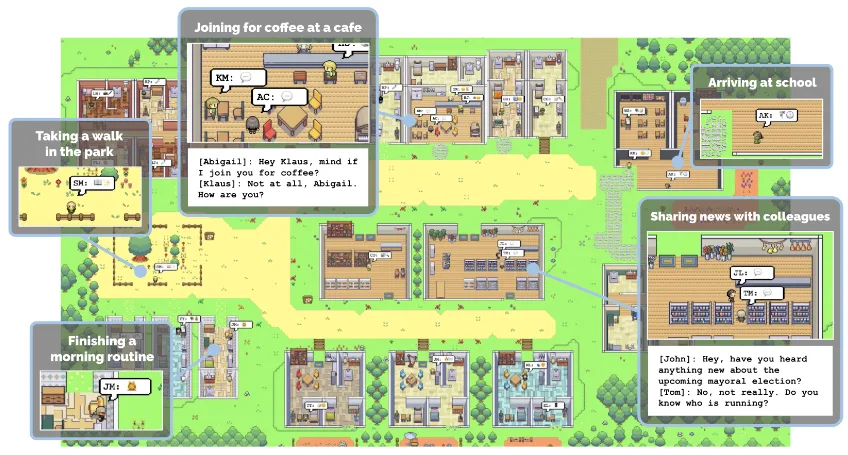
As AI keeps improving, NPCs with believable approximations of human behavior will likely become standard in games, blurring the line between virtual and real-life relationships even further.
The downsides of this development
All of this currently requires massive amounts of computing power. Computational efficiency is improving fast, so we will eventually reach a point where AI agents and photorealistic games run on home computers. That milestone is still a few years away.
Addiction is the other concern, and likely a bigger one than today. The pull of living in an immersive fictional world with virtual friends and identities will be strong.
Despite that, I'm excited to watch this unfold, and I want to experience it myself when it arrives.